

Thyroid dysfunction is more common than most people realize. Millions of Americans struggle with some form of thyroid condition, and many do not know it. The challenge is that thyroid issues often develop gradually, with the symptoms being vague, misdiagnosed, or dismissed as normal aging.
So why are thyroid dysfunctions so common today? We see lifestyle play a major role in conditions such as chronic stress, poor nutrition, environmental toxins, sleep deprivation, and hormonal imbalances. The thyroid gland, which regulates metabolism, energy, temperature, and mood, is sensitive to these stressors. When the body is under stress or in an imbalance, the thyroid’s function can be affected.
The most common conditions are hypothyroid or hyperthyroid. With hypothyroidism, fatigue, difficulty losing weight, brain fog, hair thinning, cold tolerance, depression, anxiety, and hormone irregularities are associated. People suffering from hyperthyroidism can experience rapid heartbeat, weight loss, irritability, and heat tolerance. Because these symptoms overlap with many other conditions, people often go years without proper answers.
At its core, thyroid dysfunction is rarely just a thyroid problem. It often results in deeper imbalances involving the nervous, immune, and hormonal communication pathways. This is why addressing thyroid health requires a whole-body approach rather than simply managing symptoms with medication alone.
Many patients are surprised to learn that specific chiropractic care can play a meaningful role in supporting thyroid function. While chiropractors are well known for treating back and neck pain, our focus is on optimizing the nervous system, which controls and coordinates every organ and gland in the body, including the thyroid. As we optimize the nervous system, we also assess other underlying causes of thyroid dysfunction.
In our office, we take a comprehensive approach, using lab tests and Bio-Scan technology to identify underlying stressors that may be affecting thyroid health. These tools can help reveal issues such as chronic inflammation, nutritional deficiencies, hormone imbalances, toxicity, and patterns of poor organ function that may otherwise go unnoticed. When adopting these two approaches, many patients have their lives restored.
$99 New Patient Special
– Day 1: History review, consultation, nerve scan, exam, and x-rays –
– Day 2: Review exam and x-rays, and adjustment –
– Day 3: Dr’s report of findings, review recommended treatment plan –
How Our Care Plan Works
1. Finally Be Heard
We dedicate time to listen, ensuring we understand the complete picture of your health struggles, lifestyle history, specific goals, and the challenges that have left you feeling limited. We move past the limitations of rushed appointments and generic solutions to build a genuine connection, making sure your unique needs and experiences are the central focus of your entire care plan.
2. Get To The Root Cause Of The Problem
Our team moves beyond temporary symptom management to systematically identify and correct the underlying interferences affecting your body’s ability to heal. We use our three-pillar system—Specific Spinal Correction, Customized Nutrition and Neuro-Feedback Principles—to target the physical, chemical, and neurological issues that are preventing you from thriving and limiting your life.
3. Take Back Control Of Your Health
This step is about implementing the personalized plan and teaching you the principles of lifelong wellness. Through corrective care and educational guidance, we give you the knowledge, tools, and lasting body changes needed to maintain optimal function. This comprehensive approach ensures you feel great now and have the foundation for sustained health and vitality, allowing you to live a full life without limits.
How We Improve Thyroid Health in Southwest Denver, CO
We offer a conservative, non-invasive approach to addressing the entire body by focusing on exactly where the problem is, how it is affecting your quality of life, and a detailed plan designed to get to the core issue. Because your nervous system is the lifeline to YOUR entire body, it makes sense to start with it.
Comprehensive Consultation and Exam
The first step from a chiropractic perspective is assessing the integrity of the nervous system. This involves a detailed spinal examination to identify subluxations that interfere with communication to the thyroid. We focus on the cervical and thoracic regions as these areas house the nerve pathways that directly influence the thyroid. We use techniques such as posture analysis, range of motion, palpation, and neurological scans to detect stress or dysfunction. We also look at many areas, such as energy levels, sleep patterns, stress, digestion, hormone health, and lifestyle habits, to get a full picture. Many patients come in thinking they have a thyroid issue and discover they have multiple contributing factors that need to be addressed together. We do not replace medical thyroid testing; we work alongside those findings to identify how well the body is adapting and functioning.
Once it is determined whether a neurological component is contributing, we schedule a Bio-Scan assessment. The Bio-Scan technology provides a deep-level functional analysis of thyroid function. Bio-Scans evaluate the body’s energetic and physiological responses to identify stress in organs, nutrient deficiencies, toxic burdens, and imbalances within other organs. When combined with the chiropractic findings, the Bio-Scan provides a comprehensive picture of both the neurological and biochemical factors affecting the thyroid. This technology helps detect subtle dysfunctions that may not appear in traditional lab tests but are already impacting thyroid efficiency.
Specific Chiropractic Care in Southwest Denver, CO
The nervous system plays a major role in thyroid health because it regulates communication between the brain and the endocrine glands. If that communication is disrupted, the thyroid may not receive proper communication signals to produce and regulate hormones effectively.
A subluxation is a misalignment or dysfunction in the spine that interferes with communication. These areas of stress can develop from poor posture, injuries, chronic stress, and repetitive habits. Symptoms of subluxation can include tension, fatigue, poor sleep, brain fog, and even hormonal imbalances that can affect thyroid function.
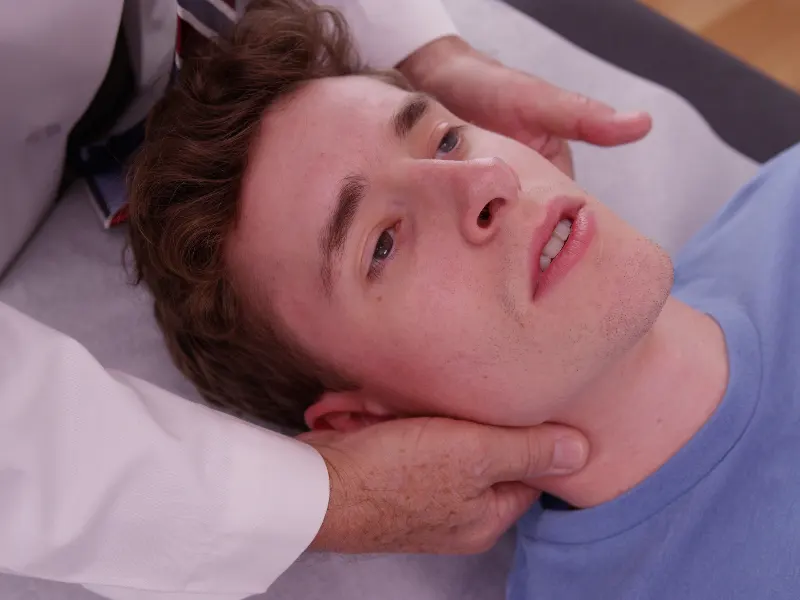
To identify subluxation, a detailed chiropractic assessment is performed, which includes posture analysis, palpation, range of motion, and neurological screening. These tools help pinpoint areas where nerve interference is occurring. Once identified, specific chiropractic adjustments are used to correct these dysfunctions. The impact of an adjustment is significant and contributes to overall body improvement.
What makes our care different is the focus on the root cause and whole-body function rather than symptom management. Instead of addressing thyroid dysfunction alone, the approach integrates nervous system correction with functional insight, using Bio-Scan technology to assess internal imbalances. This allows care to be highly individualized. Our goals are not temporary relief but long-term restoration of overall wellness.
Nutritional Guidance
There is no cookie-cutter supplement or nutrition plan for everyone. When dealing with hormones, everyone is unique and different. Everybody responds differently to certain diets, foods, and supplements. Our Bio-Scan technology is rooted in precision rather than assumption, or, as we like to say, “We test, not guess.” The Bio-Scan identifies specific imbalances affecting the thyroid, such as nutrient deficiencies, stress on endocrine glands, or inflammatory patterns. From there, we provide recommendations tailored to that individual, which may include macronutrient balance, improved hydration, or specific supplementation to address the deficiency. The goal is to remove the guesswork and provide a clear, precise plan based on how the body is actually functioning.
Based on the scan findings, certain foods may be temporarily avoided, such as highly processed foods, excessive sugar, and inflammatory oils. In some cases, individuals may benefit from reducing gluten and dairy, particularly if autoimmune thyroid conditions are present. Each recommendation is tailored to the patient’s scan results, ensuring that diet and supplementation are purposeful and targeted to improving thyroid health.
Read Our Online Reviews


Common Thyroid Problems We Help in Southwest Denver
Hypothyroidism
This is when the thyroid gland doesn’t make enough thyroid hormone, leading to a slow metabolism. Common symptoms include fatigue, weight gain, cold sensitivity, depression, dry skin, and hair thinning.
Causes can include autoimmune conditions, pituitary disorders, chronic stress, nutritional deficiencies, poor nervous system regulation, toxic exposure, thyroid surgery, radiation therapy, and certain medications such as Levothyroxine/Synthroid.
Hyperthyroidism
It is the opposite condition of hypothyroidism. It is where the thyroid becomes overactive and produces excessive hormones, speeding up the body’s metabolism and causing rapid heart rate, weight loss, anxiety and tremors.
This condition is often linked to autoimmune process and chronic stress, and is often prescribed Methimazole.
Hashimoto’s Disease
Hashimoto’s is an autoimmune condition where the immune system attacks the thyroid gland. It is one of the most common causes of hypothyroidism.
Symptoms often mirror hypothyroidism but may fluctuate over time. The root cause typically involves immune dysfunction, inflammation, and stress.
Graves’s disease is an autoimmune condition that leads to hyperthyroidism. It causes the thyroid to become overactive due to immune system dysfunction.
Symptoms include anxiety, rapid heart rate, weight loss, and sometimes eye-related issues.
Thyroid Nodules
Thyroid nodules are lumps that form within the thyroid gland. While many are benign, they can sometimes affect hormone production.
They are often linked to hormonal imbalance, nutritional deficiencies, and chronic inflammation.
Check Out Our Location Near You
2750 S Wadsworth Blvd suite c 109, Denver, CO 80227
Frequently Asked Questions
Can chiropractic in Southwest Denver help thyroid function?
Yes, here at Meridian Health Center, we help patients with thyroid dysfunction by taking a whole-body approach. Our focus is on improving nervous system function through specific chiropractic adjustments, while also using lab work and Bio-scan technology to uncover hidden stressors that may be affecting thyroid health.
Can Chiropractic cause thyroid problems?
No, chiropractic care does not cause thyroid problems. Chiropractic adjustments are designed to improve nervous system function and decrease stress on the body. Chiropractic adjustments do not damage or negatively affect the thyroid gland.
Can a misaligned spine cause thyroid dysfunction?
Yes, subluxation can contribute to dysfunction within the nervous system, which may affect the thyroid function. The brain and thyroid communicate through the nervous system, so interference can disrupt the body’s abilities to regulate efficiently. While spinal misalignments is not usually the sole cause of thyroid dysfunction, it can be a contributing factor.
What part of the spine controls the thyroid?
The upper cervical spine plays the biggest role in supporting thyroid function because it is closely connected to the brain and nervous system.
What is a bio scan?
The Bio-Scan is a non-invasive technology designed to evaluate how different systems of the body are functioning and adapting to stress. It measures patterns within the body that indicate imbalances in the nervous system, hormones, inflammation, toxicity, or organ function. The scan is painless and provides insight into potential underlying stressors that may be impacting one’s health. At our office, we use the Bio-Scan alongside chiropractic to get the best natural results.
How does the Bio-Scan work for thyroid dysfunction?
The scan works by assessing how various body systems are functioning and identifying areas of stress that may contribute to thyroid dysfunction. The scan can help detect underlying issues such as inflammation, nutritional deficiencies, toxins, and hormonal imbalances. This information allows us to create a focused care plan that addresses the root cause of thyroid dysfunction.
$99 New Patient Special
– Day 1: History review, consultation, nerve scan, exam, and x-rays –
– Day 2: Review exam and x-rays, and adjustment –
– Day 3: Dr’s report of findings, review recommended treatment plan –
